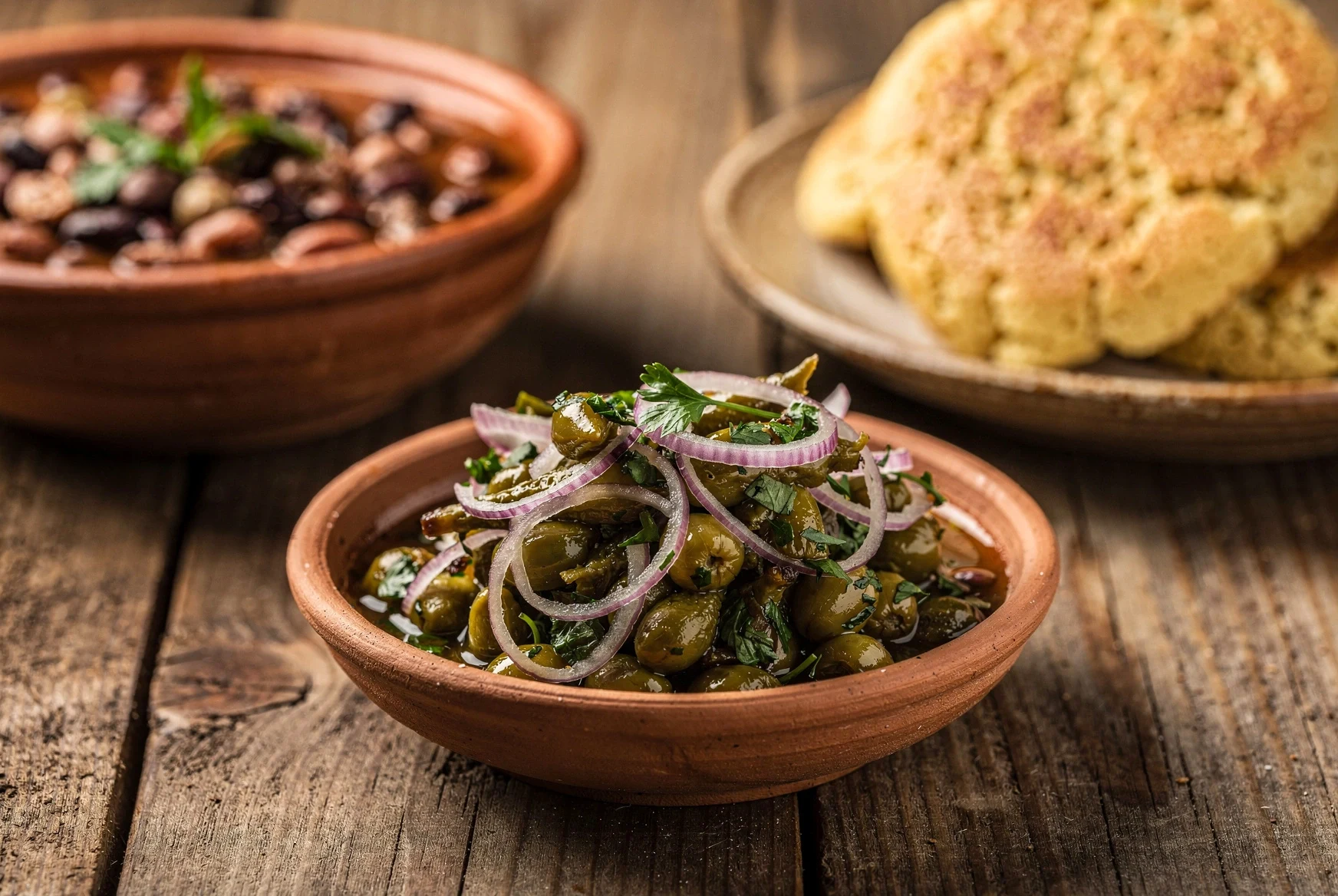
Jonjoli is one of those foods that instantly tells you whether someone actually eats in Georgia or just reads about it. Everybody abroad knows khachapuri. Plenty of people know khinkali. But jonjoli — the pickled flower buds of the bladdernut tree — is the thing that appears on real tables, next to lobio, grilled meat, and bread, usually without explanation. It looks modest. Then you taste it: softly crunchy, sour in that deep fermented way rather than sharp vinegar way, a little grassy, a little floral, and perfect with sliced onion and oil.
There is no clean substitute for jonjoli. People compare it to capers, but that is lazy. Capers are briny and aggressive. Jonjoli is gentler, greener, and more alive. It tastes like spring preserved for later, which is basically what it is. In Georgia, that matters because the habit of putting things up for the year is not some aesthetic farmhouse hobby. It is just food culture. Families salt and ferment jonjoli when the buds come in, then open jars for months afterward.
Jonjoli Quick Facts
- Georgian name: ჯონჯოლი (jon-jo-li)
- What it is: Pickled buds of the Caucasian bladdernut tree
- Season: Fresh for a brief stretch in spring, usually May
- Traditional method: Salt, squeeze, brine, ferment
- How it is served: Dressed with onion and oil as part of a pickle spread
- Best with: Lobio, mchadi, mtsvadi, and cold beer or wine
What Jonjoli Actually Is
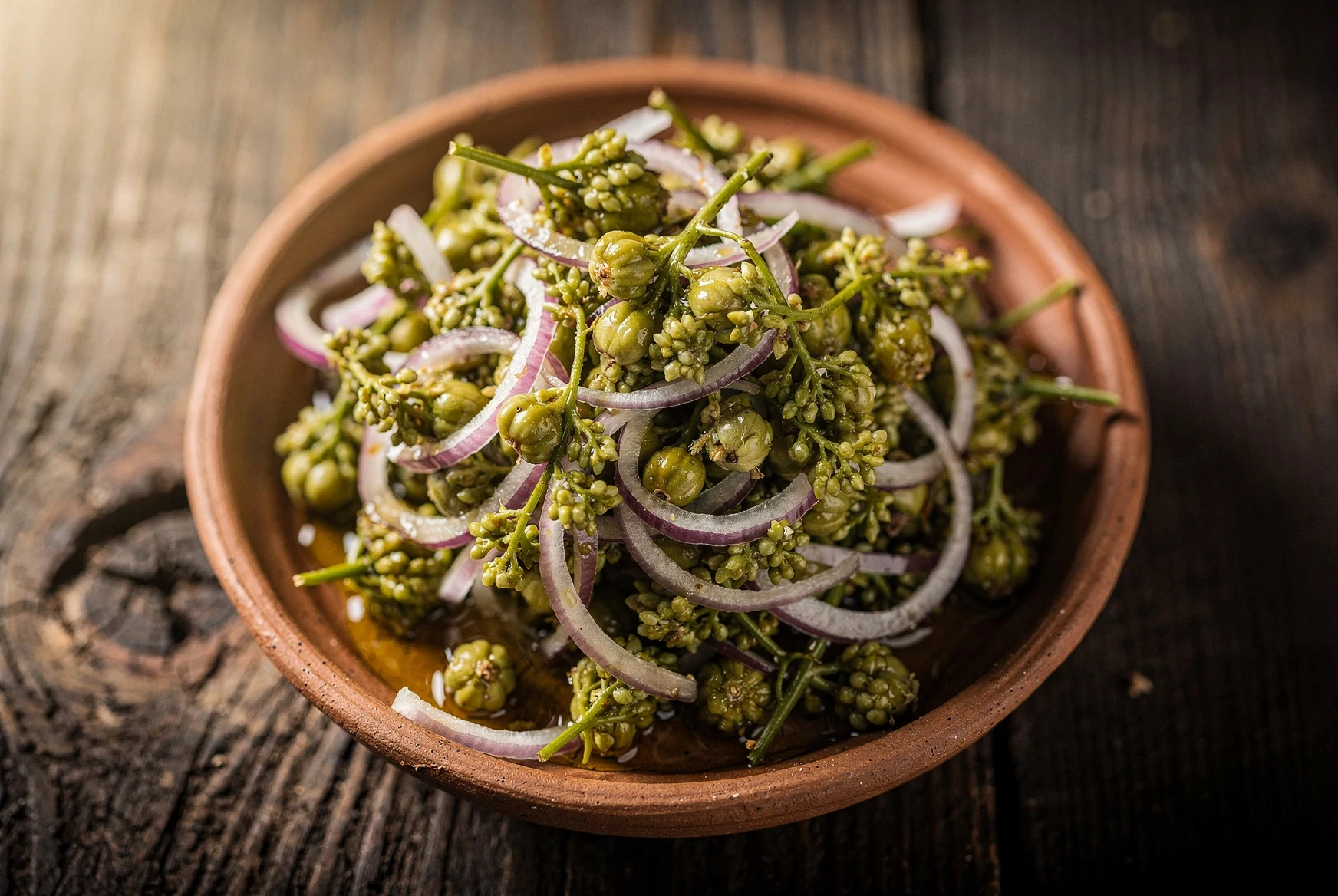
Jonjoli comes from the young flower clusters of Staphylea colchica, a shrub native to the Caucasus. The buds are harvested before they open. If you wait too long and they bloom, you missed it. That short window is part of why homemade jonjoli has such status: you only get one proper chance each year, and the people who know where to gather it guard those spots a bit like mushroom hunters do.
Fresh jonjoli is not especially exciting. Raw, it is slightly bitter and green. The transformation happens through salting and fermentation. First the salt softens the buds and pulls out some harshness. Then the brine and time turn them into the pickle Georgians actually want. Done right, the buds stay tender with a light snap in the stems. Done badly, they go swampy, limp, or way too salty.
At the table, jonjoli is almost never eaten plain straight from the jar. That is the first mistake people make. It gets squeezed, fluffed up, mixed with very thin red onion, dressed with oil, sometimes a little coriander leaf, and left for a few minutes so the onion loses its sharp edge. That final dressing is not decorative. It is part of the dish.
How Jonjoli Tastes — and Why People Get It Wrong
A lot of English-language descriptions flatten jonjoli into “Georgian capers.” That is close enough to orient someone, but not close enough to be useful. Jonjoli is less salty, less sharp, and more vegetal. The buds carry a faint floral note, especially when the batch is fresh and well made. The stems are part of the pleasure too — they give that slight resistance that makes it feel like a real table pickle rather than some soft condiment.
The other thing people get wrong is the acid. Traditional jonjoli is not a vinegar pickle. It should taste lactic and rounded, not like it got punched with white vinegar. If the sourness feels one-dimensional, it is usually either commercial shortcut product or a jar that was never very good to begin with.
| Feature | Jonjoli | Capers | Pickled Green Beans |
|---|---|---|---|
| Acid style | Lactic, fermented | Briny, sometimes vinegary | Usually vinegary |
| Texture | Tender buds, slight stem crunch | Firm pop | Crunchy pods |
| Flavor | Green, floral, softly sour | Punchy, saline, sharp | Herbal, straightforward |
| Best role | Dressed table pickle | Condiment or garnish | Snack or side |
Ingredients and Brine Logic
Jonjoli is simple, but this is one of those recipes where “simple” means every small decision matters. Use non-iodized salt. Iodized table salt can cloud the brine and make fermented vegetables taste a little odd. Do not drown it in spices. Bay leaf and a few peppercorns are optional at most. This is not a dill pickle. The point is to preserve the taste of the buds, not perfume them into something else.
The initial dry salting step matters because it softens the buds and pulls out bitter liquid before they go into brine. Some people skip it and go straight to fermentation. You can. The result is usually harsher and less elegant. Georgian grandmothers are not doing the first salt for fun.
If you bought jarred jonjoli
You can skip straight to the dressing step. But taste first. Many commercial jars are aggressively salty. Rinse quickly or soak 5 minutes in cold water if needed, then squeeze dry before adding onion and oil.
Step-by-Step Method
Step 1: Sort and wash
Fresh jonjoli often comes with leaves, woody bits, and the occasional field debris. Go through it properly. You want tender stems and closed buds, not opened flowers. Wash in several changes of cold water. It is annoying, but so is grit in your pickle.
Step 2: Salt overnight
Toss the cleaned jonjoli with the first measured salt and leave it covered 8 to 12 hours. By morning it should look slightly wilted and darker. That is what you want. If it still feels stiff and raw, give it a bit longer.
Step 3: Squeeze hard
This is the part that separates good jonjoli from mediocre jonjoli. Take handfuls and squeeze firmly. You want to push out that bitter green liquid. Not delicately. Firmly. The mass should feel softer and more compact afterward.
Step 4: Pack and brine
Pack the squeezed jonjoli into a clean jar. Tight packing is good here. Pour over the salt brine until fully covered, then weight it down. A small fermentation weight is ideal, but a smaller jar inside a larger jar works too. Anything that keeps the buds submerged.
Step 5: Ferment and taste
Leave it in a cool room, not on a sunny windowsill like some Instagram fermentation project. Start tasting after day five. You want pleasant sourness and a clean aroma. Once it tastes right, chill it and let it mature a few more days. Cold storage smooths it out.
| What to check | Not ready | Ready | Past its best |
|---|---|---|---|
| Aroma | Raw green, grassy | Fresh, sour, clean | Muddy or unpleasant |
| Texture | Stiff, slightly bitter | Tender with light bite | Too soft, swampy |
| Salt balance | Harshly salty | Salty but rounded | Flat and over-fermented |
How to Serve Jonjoli the Georgian Way
Do not pile it on toast and call it a canape. Jonjoli belongs in the cold starter zone of the table, with other pickles and things that wake up the mouth. The classic move is thin red onion, sunflower oil, maybe a little cilantro. Some households use white onion. I think red onion is better because it looks right and mellows nicely.
It is excellent with lobio, especially when there is hot mchadi on the side. It also makes rich foods make more sense — grilled pork, cheese-heavy dishes, and anything fried. Jonjoli is one of those acid hits that resets your palate without bullying it.
| Serve it with | Why it works |
|---|---|
| Lobio | Beans love acid, and jonjoli gives a cleaner contrast than vinegar pickles |
| Mtsvadi | Cuts pork fat and smoke without competing with them |
| Mchadi | A salty, sour, oily bite next to plain cornbread just works |
| Amber wine | The slight tannin and savory funk meet the fermented pickle halfway |
Common Mistakes
❌ Treating it like a vinegar pickle
If you add vinegar to “fix” the sourness, you lose the whole point. Jonjoli should taste fermented, not pickled in the quick Western sense.
❌ Not squeezing after salting
That bitter green liquid needs to go. Skip this and the final jar often tastes harsher and less clean.
❌ Letting buds float above the brine
Anything above the liquid line is where trouble starts. Keep it submerged. Always.
❌ Serving it straight from the jar
You can, but it is incomplete. Onion and oil are not optional flourish. They are how jonjoli gets finished.
Storage and Buying Notes
Homemade jonjoli keeps well in the fridge for months as long as it stays in brine. Once dressed with onion, treat it like a salad and eat it the same day. Leftovers are still fine the next day, but the onion gets floppier and the whole thing loses some lift.
If you are buying jonjoli in Georgia, the best versions are usually from bazaars or home producers, not glossy supermarket jars. Taste if you can. You want bright sourness and tenderness, not overwhelming salinity. Supermarket jonjoli is often acceptable, but rarely thrilling.
Frequently Asked Questions
Can I make jonjoli outside Georgia?
Only if you can get fresh bladdernut buds. The method is easy. The ingredient is the problem. That is why most people outside Georgia buy it jarred.
Can I substitute capers?
No. Capers can stand in as a salty-sour accent in a totally different dish, but they do not recreate jonjoli. The flavor and texture are wrong.
Is jonjoli always fermented?
Traditional jonjoli is. Some commercial products lean harder on acid or preservatives, but the good stuff has that clear fermented character.
Why is my jar too salty?
Either the batch was over-salted or it simply needs a quick rinse before dressing. Many purchased jars improve a lot after a short soak and squeeze.
Written by The Georgian Eats Team
We have eaten jonjoli in the exact places it belongs: beside clay pots of lobio, on mixed pickle plates in Tbilisi restaurants, and at home tables where nobody bothers explaining what it is because of course it is there. This version follows the logic real Georgian cooks use rather than turning it into a generic preserve.
Last updated: March 2026.
Related Articles
Georgian Pickles & Preserves
The wider world of mzhave, green tomatoes, pickled garlic, cabbage, and why Georgian tables need acid.
Lobio
The bean dish that almost begs for a sour pickle on the side.
Mchadi
Plain, crisp cornbread that makes salty, sour sides taste even better.
Mtsvadi
Charcoal-grilled pork plus a plate of jonjoli is classic Georgian common sense.