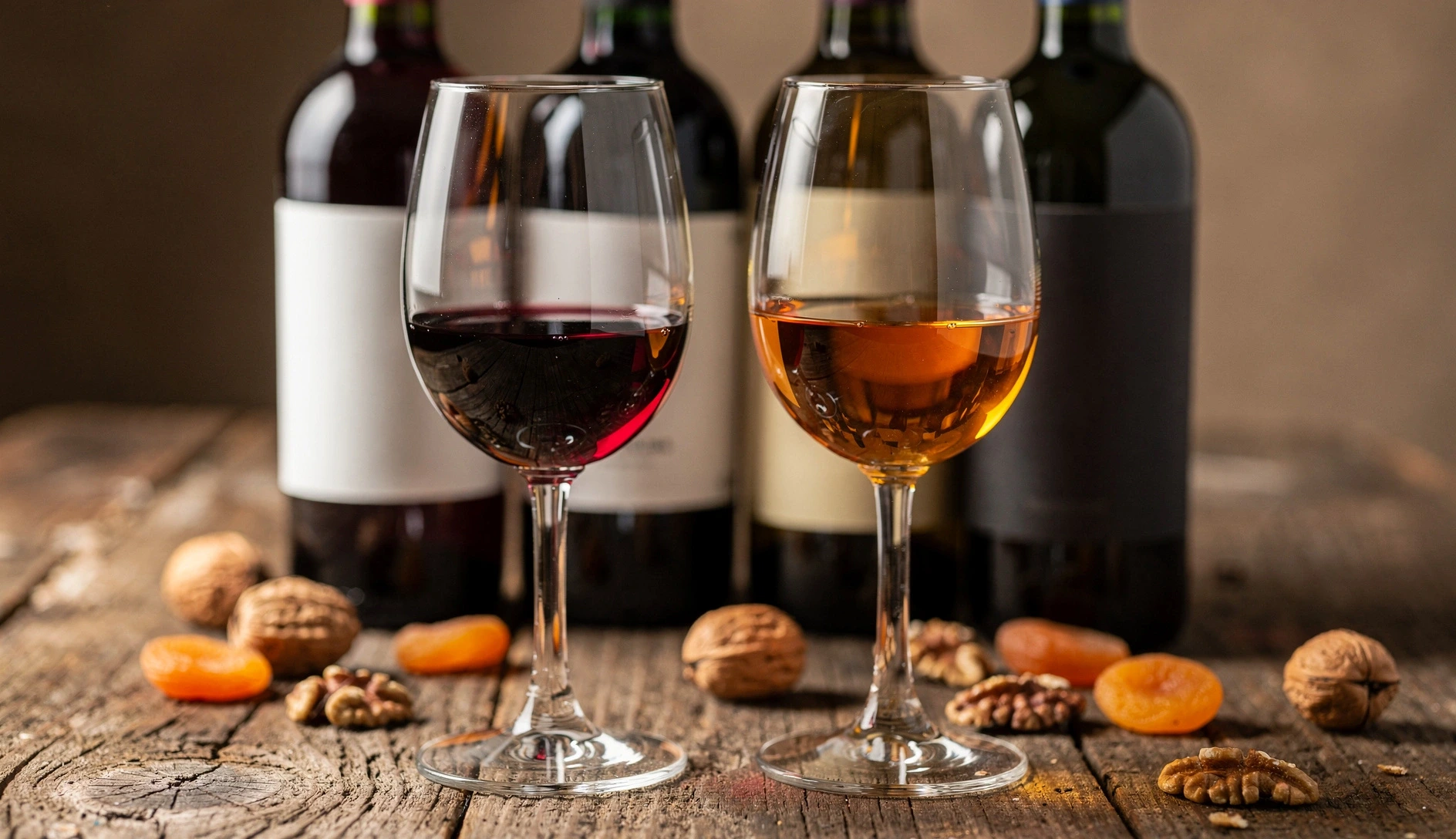
Georgian wine is having a moment — and if you've landed here, you probably already know the basics. Qvevri, 8,000 years, amber wine, Saperavi. Got it. But when you're standing in a Tbilisi wine shop staring at 200 bottles with labels in Georgian script, or scrolling through an online retailer with vague tasting notes, "oldest wine country" doesn't help you pick the right bottle. This guide does. Twenty specific wines worth your money, organized by style, with honest notes on what each tastes like, what to eat with it, and what to expect to pay.
A Note on Prices
All prices listed are approximate retail prices in Georgia (in GEL). Wine is dramatically cheaper in Georgia than abroad — a bottle that costs 25 GEL ($9) at a Tbilisi wine shop might run $20-35 at a European retailer. Prices outside Georgia vary wildly by importer and market. If you're shopping abroad, expect to pay 2-4x the Georgian price.
How to Use This Guide
Skip to whatever you're in the mood for. Each section covers a different style, and within each section the wines go from approachable to complex. If you're brand new to Georgian wine, start with the dry reds — Saperavi is the easiest on-ramp. If you already know your way around, jump to the ambers or the semi-sweets, which is where Georgia really has no competition.
Every wine listed here is from a producer I'd actually recommend to someone spending their own money. No pay-to-play, no "best of" awards that went to whoever bought a booth. These are bottles that deliver.
Dry Reds: The Saperavi Section
Saperavi is Georgia's red grape, full stop. It's one of the few teinturier varieties in the world — meaning the flesh itself is red, not just the skins. This gives Saperavi wines their almost inky color and serious tannin structure. At its best, Saperavi makes wines with the weight of a Barolo, the dark fruit of Malbec, and a sour-cherry acidity that's entirely its own thing. At its worst (cheap supermarket bottles), it's cloying, overly sweet, and gives you a headache by glass two.
Here's how to avoid the bad ones.
| Wine | Producer | Price (GEL) | Why It's Good |
|---|---|---|---|
| Saperavi | Marani (Telavi Wine Cellar) | 12–15 | The reliable daily drinker. Clean, fruit-forward, no rough edges. Available everywhere. |
| Saperavi Reserve | Château Mukhrani | 30–40 | Oak-aged, structured, serious. Dark cherry, tobacco, leather. The Saperavi for Cab Sav drinkers. |
| Saperavi Qvevri | Pheasant's Tears | 35–50 | Natural, unfiltered, clay-fermented. Earthy, tannic, complex. Not for beginners — for people who mean it. |
| Saperavi Khashmi | Orilo | 25–35 | Trophy winner at 2025 Wine Expo Georgia. Single-vineyard, concentrated, long finish. Underrated producer. |
| Saperavi Premium | Chelti | 40–55 | Extended oak aging, dark fruit, spice, velvety tannins. Cellar-worthy — improves over 5+ years. |
The entry point: Marani Saperavi. You can buy it at any supermarket in Georgia for under 15 GEL. It's not going to change your life, but it's clean, honest, and a solid introduction to the grape. Serve it with mtsvadi or chashushuli — the tannins love grilled meat and spicy stews.
The step up: Château Mukhrani's Reserve gets you into serious territory. This is the wine you pour for someone who drinks Napa Cab or Barossa Shiraz and hasn't tried Georgian. It speaks their language — oak, structure, concentration — but with that distinctly Georgian sour-cherry note on the finish that Saperavi always delivers.
The deep end: Pheasant's Tears makes Saperavi the way Georgians have made it for millennia — in buried clay qvevri, with extended skin contact, minimal intervention. The result is rustic, earthy, and tannic in a way that feels genuinely ancient. Pair it with chanakhi or aged cheese. Don't serve it cold.
Need the full Saperavi explanation?
This page tells you which bottles to buy. If you want the full story on what Saperavi tastes like, why Mukuzani and Kindzmarauli are so different, and how to serve it properly, read the dedicated Saperavi guide.
Amber Wines: Georgia's Signature
This is where Georgia has no real competition. Other countries make orange wine — Italy, Slovenia, even California. But Georgian amber wine fermented in qvevri is a fundamentally different product. Extended skin contact (3-6 months) with white grapes in buried clay vessels creates wines with tannin, body, and complexity that white wines simply don't have. If you only try one category from this list, make it this one.
| Wine | Producer | Grape | Price (GEL) | Notes |
|---|---|---|---|---|
| Rkatsiteli Qvevri | Shumi | Rkatsiteli | 18–25 | Accessible amber. Dried apricot, tea, light tannin. Good entry point. |
| Rkatsiteli Amber | Mosmieri | Rkatsiteli | 25–35 | Modern winemaking meets traditional qvevri. Clean, precise, nutty finish. |
| Kisi Qvevri | Koloti Winery | Kisi | 30–45 | Floral, honeyed, more delicate than Rkatsiteli ambers. Beautiful with cheese. |
| Rkatsiteli | Pheasant's Tears | Rkatsiteli | 35–55 | Full Kakhetian style. Big tannins, dried fruit, long. The benchmark amber wine. |
| Khikhvi Qvevri | 39 Qvevri | Khikhvi | 35–50 | Rare grape, outstanding qvevri expression. Peach, walnut, spice. Trophy-winning. |
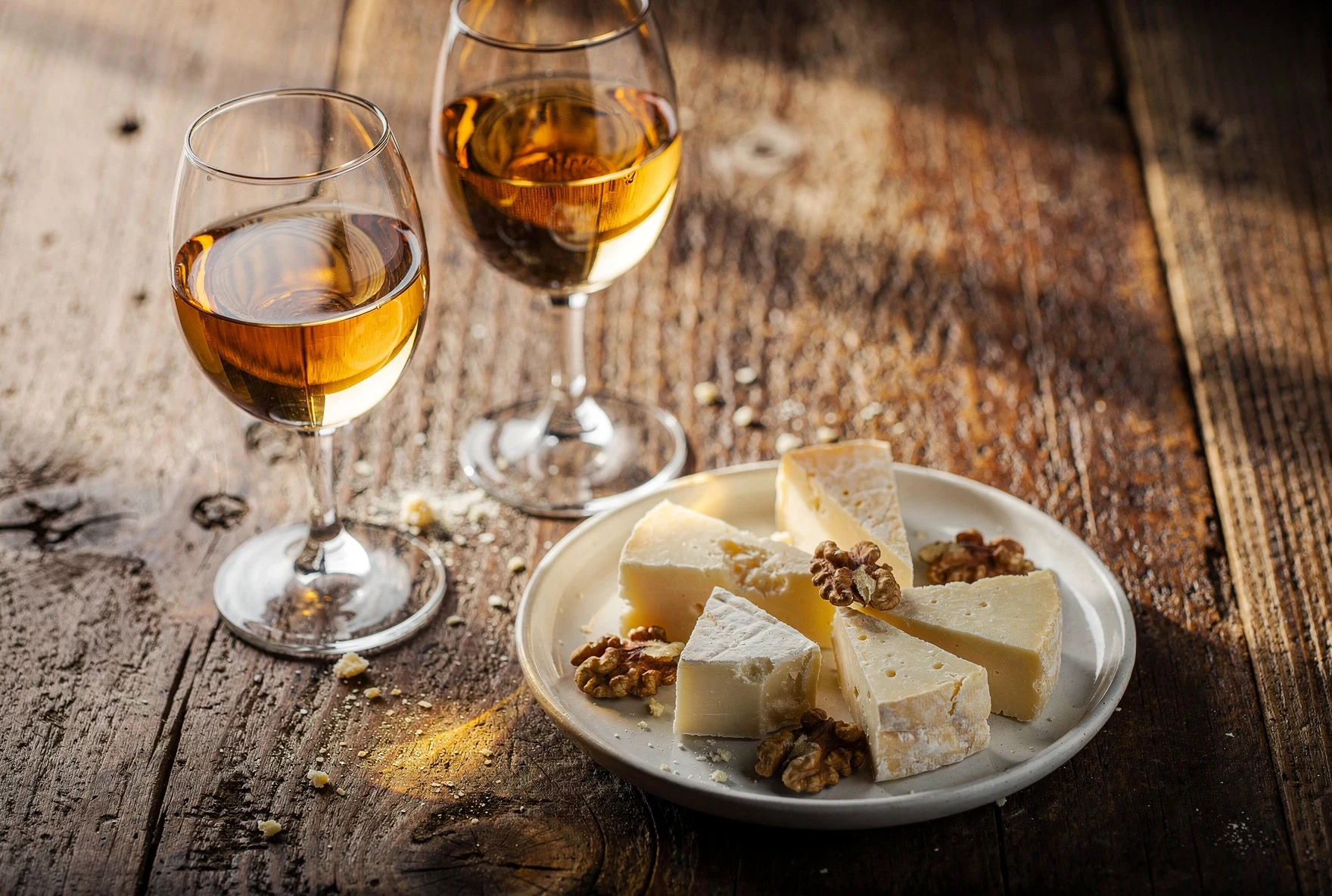
Start here: Shumi's Rkatsiteli Qvevri is widely available, reasonably priced, and won't overwhelm someone who's used to conventional white wine. It has that amber gold color and the dried-fruit character, but the tannins are gentle enough that it doesn't feel like drinking a red. Serve it at cellar temperature (14-16°C) — too cold and the complexity disappears.
The connoisseur pick: Pheasant's Tears Rkatsiteli is the amber wine that wine writers use as their reference point. It's full Kakhetian-method — long maceration, big tannins, deeply savory. This is the one to pour alongside satsivi, badrijani nigvzit, or a plate of aged sulguni with walnuts. It can handle rich, complex food the way most white wines can't.
Rkatsiteli vs. Kisi vs. Khikhvi
All three make amber wine, but they're very different grapes. Rkatsiteli is the workhorse — high acidity, nutty, tea-like, structured. Kisi is floral and honeyed — softer, more aromatic, less tannic. Khikhvi is the rarest — rich peach and apricot character with good weight. If you like your whites aromatic (think Viognier), start with Kisi. If you like them structured (think aged Riesling), go Rkatsiteli.
Dry Whites: Beyond Amber
Not every Georgian white wine spends months on skins. Georgia also makes conventional dry whites — and the best of them are genuinely excellent. The Tsinandali appellation in particular produces crisp, aromatic whites from Rkatsiteli and Mtsvane blends that drink like really good Burgundy at a fraction of the price.
| Wine | Producer | Price (GEL) | Notes |
|---|---|---|---|
| Tsinandali | Marani | 10–15 | The everyday Georgian white. Crisp, citrusy, clean, and the easiest classic first bottle. |
| Mtsvane | Gotsa Wines | 30–45 | Natural, biodynamic, no sulfites. Green apple, herbs, mineral. Serious winemaking. |
| Kisi | Mosmieri | 20–30 | Floral, stone fruit, elegant. European-style winemaking with Georgian grapes. |
A quick word about Tsinandali: it's Georgia's most famous white wine appellation — a blend of Rkatsiteli and Mtsvane from the Alazani Valley. At its best, it's a beautifully balanced, food-friendly white with citrus, orchard fruit, and enough structure to carry dinner properly. At its worst, it's thin and characterless. Marani's version is a safe middle ground — consistently clean and correct, if not thrilling. For the full breakdown on what makes the appellation work, read the dedicated Tsinandali guide.
For something more interesting, Gotsa is the producer to know. Beka Gotsadze makes natural, biodynamic wines in Kartli (not Kakheti — which already makes them unusual) with zero added sulfites. His Mtsvane is unlike any Georgian white you've had — crisp, herbal, almost saline, with real personality. Available at Vino Underground and specialist shops in Tbilisi.
Semi-Sweets: Don't Skip These
Wine snobs dismiss semi-sweet wines. That's their loss. Georgia's best semi-sweets — particularly Khvanchkara and Kindzmarauli — are among the most distinctive wines produced anywhere. They're not cloyingly sweet like a cheap Moscato. The sweetness is natural (fermentation stops naturally due to cold temperatures in the mountains), balanced by serious acidity, and paired with actual structure and complexity.
| Wine | Producer | Price (GEL) | Notes |
|---|---|---|---|
| Khvanchkara | Royal Khvanchkara | 35–55 | The king. Aleksandrouli + Mujuretuli from Racha. Raspberry, pomegranate, velvet. Serve slightly chilled. |
| Kindzmarauli | Khareba | 20–30 | Saperavi semi-sweet from Kakheti. Dark berry, plum, soft tannins. More affordable entry to semi-sweets. |
| Tvishi | Baia's Wine | 25–40 | Semi-sweet white from Tsolikouri. Tropical fruit, honeysuckle, crisp acidity. Gorgeous with dessert. |
Khvanchkara is the wine that gets the most mythologizing in Georgia. It's made from two grapes — Aleksandrouli and Mujuretuli — that only grow in Racha's microclimate, in a valley where autumn temperatures drop fast enough to halt fermentation naturally, leaving residual sugar in the wine. The result is something like a lighter Amarone crossed with a great Beaujolais — dark fruit, soft tannins, and a sweetness that feels structural rather than sugary. Stalin allegedly loved it, which is either a selling point or not, depending on your view of history.
Serve Khvanchkara slightly chilled (12-14°C). Pair it with satsivi, aged cheese, or Georgian desserts — it bridges the gap between dinner and dessert better than any wine I know.
Kindzmarauli is the more accessible option. It's semi-sweet Saperavi from Kakheti — darker, fruitier, more straightforward than Khvanchkara, and significantly cheaper. The catch: quality varies enormously. Some mass-market Kindzmarauli is artificially sweetened and barely drinkable. Stick with Khareba, Marani, or smaller producers, and you'll be fine.
Watch Out for Fakes
Khvanchkara and Kindzmarauli are protected appellations with limited production. If you see a bottle for 8 GEL at a tourist shop, it's not real — or at best, it's from grapes outside the designated area. Buy from wine shops, supermarket chains (Goodwill, Carrefour), or directly from producers. The real thing costs 20+ GEL minimum.
Rosé and Other Styles
Georgian rosé is a relatively new category — traditionally, Georgia made reds, whites, and ambers. But several modern producers now make excellent dry rosé from Saperavi, and a few are experimenting with pét-nat (naturally sparkling) wines that are genuinely fun.
| Wine | Producer | Price (GEL) | Notes |
|---|---|---|---|
| Saperavi Rosé | Château Mukhrani | 15–22 | Dry, crisp, pale pink. Strawberry, citrus, clean finish. Great summer wine. |
| Pét-Nat Rosé | Okro's Wines | 25–40 | Naturally sparkling, unfiltered, funky. For natural wine enthusiasts. Limited production. |
Georgian rosé from Saperavi has a naturally deeper color than Provençal rosé — that teinturier quality means even brief skin contact produces a vivid pink. Château Mukhrani's version is the most widely available and consistently good. Drink it young, drink it cold, drink it with ajapsandali or grilled vegetables.
Where to Buy Georgian Wine
In Georgia
🍷 Vino Underground
Tbilisi's best natural wine bar and shop. Curated selection of small-producer Georgian wines. The staff actually knows what they're selling. Prices are fair. Located on Tabidze Street in Old Town.
🏪 Wine Gallery
Chain of specialist wine shops across Tbilisi with a wide selection. Good for finding specific producers. More commercial range than Vino Underground but more variety overall.
🛒 Goodwill / Carrefour
Georgian supermarkets carry a surprisingly good wine selection. Marani, Khareba, Château Mukhrani, and other major producers are all well-represented at retail prices. Best for everyday bottles.
🏡 Direct from Wineries
Drive to Kakheti and buy at the cellar door. Many family wineries in the Alazani Valley sell directly and will let you taste everything. Best prices, best experience, best stories.
Outside Georgia
Georgian wine availability abroad has improved dramatically since 2020. A few tips:
- Europe: Germany and the UK have the widest selection. Look for specialist importers like Georgian Wine House (Germany) or Teliani Valley exports. Natural wine shops often carry Pheasant's Tears and Gotsa.
- USA: Growing availability in major cities. Total Wine, specialty wine shops, and online retailers like wine.com carry several Georgian labels. Expect to pay $15-40 per bottle.
- Online: Vivino and wine-searcher.com are useful for finding specific Georgian bottles near you. Sort by retailer and check availability.
Quick Food Pairing Cheatsheet
| Dish | Best Wine Style | Specific Pick |
|---|---|---|
| Khinkali | Dry red or amber | Marani Saperavi or Shumi Rkatsiteli Qvevri |
| Adjarian Khachapuri | Amber (cuts through the richness) | Pheasant's Tears Rkatsiteli |
| Mtsvadi (BBQ) | Full-bodied dry red | Château Mukhrani Saperavi Reserve |
| Satsivi | Amber or semi-sweet red | Khvanchkara or Kisi amber |
| Badrijani Nigvzit | Amber or dry white | Mosmieri Kisi or Rkatsiteli Amber |
| Lobio | Dry red | Orilo Saperavi Khashmi |
| Desserts | Semi-sweet | Baia's Tvishi or Kindzmarauli |
For a deeper dive into Georgian wine and food pairing, see the full Wine & Food Pairing Guide.
Budget Guide: What to Spend
Wine Budget Breakdown (Buying in Georgia)
The sweet spot for quality vs. price is 15-35 GEL. Below 10 GEL you're gambling on quality. Above 55 GEL you're paying for rarity and prestige, not necessarily a dramatically better wine.
Producers Worth Knowing
Pheasant's Tears
American-Georgian collaboration. Natural wines, qvevri-fermented, minimal intervention. The most internationally recognized Georgian winery. Restaurant and wine bar in Sighnaghi.
Château Mukhrani
Historic estate in Kartli (not Kakheti). European-style winemaking with Georgian grapes. Beautiful château worth visiting. Their Saperavi Reserve is consistently excellent.
Gotsa Wines
Biodynamic pioneer Beka Gotsadze makes some of Georgia's most interesting natural wines in Kartli. Small production, high quality. Available at Vino Underground in Tbilisi.
Baia's Wine
Sisters Baia and Gvantsa Abuladze make wines in Imereti using indigenous western Georgian grapes. Their Tsolikouri and Tvishi are outstanding. Family winery, warmly recommended.
Marani (Telavi Wine Cellar)
One of Georgia's largest producers, but quality is consistent and pricing is fair. Their Kondoli range is solid mid-tier, and the basic Saperavi and Tsinandali are reliable dailies.
Okro's Wines
John Okruashvili makes qvevri wines in Sighnaghi with zero compromise. Small production, natural, fascinating. His Kisi amber is one of the best in Georgia. Hard to find but worth seeking out.
Common Mistakes When Buying Georgian Wine
| Mistake | Why It Happens | What to Do Instead |
|---|---|---|
| Buying the cheapest bottle | Everything's cheap in Georgia, so why not? | Spend 15+ GEL minimum. Under 10 GEL is lottery territory. |
| Serving amber wine cold | It's white wine, right? Fridge it. | Serve at 14-16°C. Too cold kills the complexity you're paying for. |
| Dismissing semi-sweets | Wine snob reflex — sweet = bad. | Try a real Khvanchkara. It'll change your mind about residual sugar. |
| Only buying Saperavi | It's the only grape you've heard of. | Georgia has 500+ indigenous varieties. Try Kisi, Mtsvane, Tsolikouri, Khikhvi. |
| Buying at tourist shops | Convenient, flashy bottles, churchkhela combos. | Go to a real wine shop or supermarket. Tourist shops charge double for worse wine. |
Frequently Asked Questions
What's the best Georgian wine for beginners?
Start with Marani Saperavi (dry red) or Marani Tsinandali (dry white). Both are under 15 GEL, widely available, and give you a clean introduction to the two main grape styles without any qvevri-related weirdness.
Is amber wine actually good?
Yes, but it's polarizing. If you like conventional Sauvignon Blanc, your first amber wine might confuse you. It has tannins, body, and savory character that white wine normally doesn't. Give it a fair shot with food — it's meant to be a dinner wine, not a patio sipper.
Can I bring wine home from Georgia?
Yes. Most airlines allow 1-2 bottles in checked luggage. Wrap them well. Georgian wine shops will pack bottles in bubble wrap and purpose-built wine sleeves if you ask. Declare at customs — most countries allow 1-2 liters duty-free.
What does qvevri wine taste like?
Different from anything else. The clay imparts subtle earthy/mineral notes, and the extended skin contact adds tannin, color, and savory depth. Think dried fruit, nuts, tea, honey, and often a pleasant grippy texture. See our full qvevri guide.
Are Georgian wines natural?
Not all, but many of the best ones are. Georgia has a larger proportion of natural/minimal-intervention producers than almost any other country. Pheasant's Tears, Gotsa, Okro's, and dozens of family wineries make wine with minimal or no additives.
What's the difference between Kindzmarauli and Khvanchkara?
Both are semi-sweet reds, but they're from different regions and grapes. Kindzmarauli is Saperavi from Kakheti — darker, fruitier, heavier. Khvanchkara is Aleksandrouli/Mujuretuli from Racha — lighter, more elegant, raspberry-forward. Khvanchkara is rarer and more expensive.
Written by The Georgian Eats Team
Based in Tbilisi and drinking Georgian wine daily. These recommendations come from years of tasting at wineries, wine bars, and dinner tables across Georgia — not from press kits or sponsored tastings.
Last updated: March 2026.
Related Articles
Saperavi Wine Guide
Georgia's flagship red grape explained properly — dry, qvevri, Mukuzani, Kindzmarauli, and what to pair with it.
Georgian Grape Varieties: 15 Grapes You Need to Know
Tasting notes, food pairings, and what to order for every major Georgian grape.
Georgian Wine & Food Pairing Guide
Dish-by-dish wine recommendations for 20+ Georgian dishes.
Georgian Wine Regions: A Complete Guide
Five regions, 30 appellations, and where to taste.